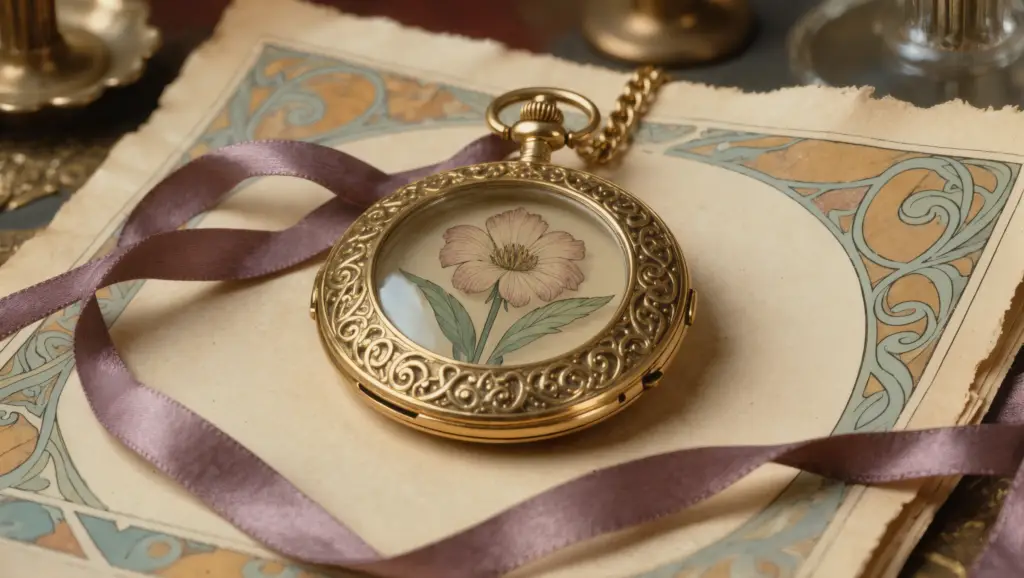
Historical romance has a marketing problem it did not ask for: say the words and most people picture a single, extremely specific image — a heaving bodice, a rake with a title, a ballroom that exists mainly so two people can argue in a doorway just off it. That image is real. It is also about one-fifth of what the genre really is, and mistaking the fifth for the whole is the single most common reason a curious reader tries one book, gets the wrong one, and quietly decides historical romance is not for them.
It is a much bigger shelf than the ballroom implies. Regency England is the loudest corner of it, not the only one — the genre also covers the American West, the Reconstruction-era South, and Gilded Age New York, stretches of history most Regency-only readers never think to look for. What holds the whole shelf together is not the century. It is the promise every romance makes regardless of when it is set: two people, real obstacles, an earned happy ending — with the added pleasure of watching it happen somewhere the rules were different enough to raise the stakes on their own.
Before any recommendation, two questions are worth answering honestly, because getting them wrong is how a promising reader bounces off a perfectly good book for the wrong reason.
What heat level do you want? Historical romance runs the full range from a chaste hand-hold at a garden party to scenes that would make the garden party blush, and unlike a restaurant menu, the cover rarely tells you which one you ordered. Mismatched heat is the single most common reason a reader puts a historical romance down unfinished — not the writing, not the era, just an expectation nobody set correctly. Decide roughly where on that range you want to sit before you pick up book one, not while you are already reading chapter four wondering what just happened.
Are you starting a real first book? A surprising number of people’s first historical romance is book four of somebody’s twelve-book saga, handed over by a well-meaning friend who forgot that context is doing half the emotional work by that point in a series. The genre rewards author loyalty once you find a voice you trust, but that loyalty has to begin somewhere coherent.
Where to start
For the ballroom, done right: The Duke and I by Julia Quinn. Daphne Bridgerton is amiable, too honest for Regency London’s taste — and going nowhere on the marriage market. Simon Bassett, Duke of Hastings, wants no marriage market at all. A fake courtship solves both problems until it stops behaving like a fake one. This is the ballroom image done with real craft behind it rather than as a cliché — witty, warm, unmistakably the genre’s most famous gateway for a reason, and a fair test of whether the Regency register is one you enjoy before committing further.
For zero steam and all the charm: Edenbrooke by Julianne Donaldson. Marianne Daventry escapes an unwanted suitor by joining her twin sister at a sprawling country estate, and what follows is all the wit and longing of the genre with none of the heat — a clean read in the fullest sense, useful proof that historical romance does not require spice to earn its ending, and a good answer for a reader who wants the charm without deciding yet how far they want the rest of the genre to go.
For history that is doing real work, not set dressing: Indigo by Beverly Jenkins. Hester Wyatt, once enslaved herself, now runs a station on the Underground Railroad from her own home. When a badly injured man known only as Black Daniel is carried to her door, sheltering him means learning who he is, at real risk to them both. Jenkins researches from the archival record rather than the genre’s usual shorthand, and the result is a book that is a serious, carefully built history and a properly swoon-worthy romance at the same time, not one softened to make room for the other. Widely pointed to by her own long-time readers as the right place to start with her catalogue, and a necessary corrective to the idea that historical romance only happens in a ballroom.
What to skip, at least at first
Skip anything you cannot place on the heat spectrum before you start. If a recommendation cannot tell you roughly where a book sits, it is not ready to be your first pick — save it for later, once you know your own range.
Skip the middle of a series. However good book six is said to be, it is not designed to work as an introduction, and judging the whole genre on a fragment built to reward people who already did the earlier reading is not a fair test of anything.
Skip the “essential classics” recommendation without reading what is in them first. Some of historical romance’s most influential early books were written under very different assumptions about what counts as romantic — persistence read as devotion, resistance read as a game to be won. The genre has moved a considerable distance since, and I would rather point a first-time reader to a modern shelf that delivers everything those classics were reaching for, without asking anyone to make peace with material that has not aged the way the rest of the genre has. Historically important is not the same promise as enjoyable on a first read, and nobody owes the canon their patience before the canon has earned it.
The point of all of it
The costumes and the candlelight are not the draw on their own. The draw is watching two people fall for each other inside a set of rules neither of them chose and cannot simply opt out of — a marriage arranged by someone else, a class line neither is supposed to cross, a war reshaping what is even possible between them — and finding a way through anyway. Contemporary romance can manufacture obstacles. Historical romance starts with the era already holding several loaded ones, which is exactly why the earned ending lands as hard as it does.
Pick a heat level you want, start a real book one, and let the rest of the shelf wait until you know your own taste. It is a big genre. There is no prize for finding all of it on your first afternoon.
New reading guides, reviews, and dispatches from inside the genre land twice a month. Subscribe, and I will keep mapping the shelf so your first pick is the right one.