Expect a Romance reading experience shaped by Dual Point of View, Right Person, Wrong Time, and Tragic Romance, with fast pace and moderate complexity. It is best approached for its reading feel and fit rather than for advance knowledge of later-book outcomes.
Romance
The Light We Lost
Romance
Reader Match
Build your match
Use Discover to compare this book against a reading profile. Riley Locke will not invent a percentage without comparable evidence.
Open DiscoverNo specific content guidance has been added yet.
fast · 328 pages
About this book
What it feels like to read.
Here is the second-chances shelf's other hardest handover, and the desk performs it the way we performed One Day's: with a plain statement of terms. The Light We Lost is a love story, not a genre romance. It writes its own contract, its final chapters are the reason it is famous, and the desk will be saying nothing about them except that they are the point, that they are honoured, and that readers should decide from strength whether this is their season for it. That is the whole warning. It is sufficient, and it is meant.
Jill Santopolo's novel begins on the morning of September 11th, 2001, when Lucy and Gabe — Columbia seniors, strangers assigned to the same Shakespeare seminar — watch the towers fall from a rooftop and are welded together by the day the world changed shape. The book then follows them for thirteen years, together, apart, orbiting: Gabe becomes a photojournalist whose conscience keeps buying tickets to the world's fires, Lucy builds a life in children's television and, eventually, with a good and steady man who is not Gabe, and the novel runs its central argument through every reunion and every silence — the argument between the love that ignites a self and the love that builds one, between the person who makes you feel most alive and the person who makes a life. Santopolo narrates it all in second person, Lucy addressing Gabe directly across the whole book, and the desk will say only that the device's reason arrives late and lands like weather.
What the desk admires is the fairness of the war. Gabe is not a fantasy and Lucy's husband is not furniture; the book prices passion and stability honestly, lets Lucy be honestly torn rather than secretly decided, and refuses the genre's comfort of making one path obviously right. The 9/11 opening is handled with gravity rather than appropriation — the day as a hinge that taught a generation how fast a life can need choosing.
Honest notices: content guidance exists and reading it will blunt the book; the desk suggests trusting the terms above instead. The register is literary-commercial, the pace swift, the freight cumulative.
Who is this for? Readers ready to leave the guarantee at the door one more time, anyone who has loved a person and a calling that pulled opposite directions, and every keeper of a rooftop memory. Bring your whole chest, because the book intends to use it, and afterwards file it beside our other expeditions past the guarantee. The shelf's law holds here as everywhere. Honest maps, marked depths, and the reader's own strong hands on the wheel.
Book details
The record behind this book.
Edition, publication, classification, and verified story metadata associated with this record.
Book knowledge
Spoiler-safe context before you commit.
Characters
This section is ready for a reader to improve.
Setting & world
contemporary
Tropes & patterns
Tragic Romance
Right Person, Wrong Time
Dual Point of View
Relationships
This section is ready for a reader to improve.
Community & circles
Read with people you trust.
Compare reactions, discuss the book, and use private circle activity as social context.
Recommendations
A book to try next.
Recommendations use reviewed Riley Locke book data and reader-maintained connections.
From the public-domain library
A classic to try next.
Recommendations use reviewed Riley Locke book data. Raw ebook text and retailer relationships never affect this ranking.
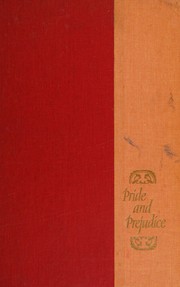

Only manually reviewed, U.S.-rights-gate-passed Gutenberg books that are Search Live can appear here. Riley Locke links to the Gutenberg ebook landing page and does not reproduce the ebook text.