Expect a Romance reading experience shaped by Dual Point of View, Second Chance, and The Slow Reveal. It is best approached for its reading feel and fit rather than for advance knowledge of later-book outcomes.
Romance
The Butterfly Room
Romance
Reader Match
Build your match
Use Discover to compare this book against a reading profile. Riley Locke will not invent a percentage without comparable evidence.
Open DiscoverNo specific content guidance has been added yet.
Commitment not yet verified
About this book
What it feels like to read.
The library's family-saga wing answers to its own publication, and the desk introduces its resident Lucinda Riley with the observation that nobody built the dual-timeline emotional machine more reliably. The Butterfly Room is Riley in standalone form, with no seven-sister apparatus, one house, one woman, and seventy years of secrets, and the desk shelves it as the ideal introduction to her method: the past and present run in tandem until the reader realises they were always one story, and the last hundred pages spend everything the first four hundred banked.
Posy Montague is approaching seventy at Admiral House, the crumbling Suffolk estate where she spent an enchanted childhood chasing butterflies with her adored father before the war took the enchantment apart. The present-day plot assembles its pressures honestly. The house is devouring what remains of her money, her two sons are orbiting their own crises, one amiable and adrift, one polished and hiding something, and into this arrives Freddie, the first love who vanished without explanation fifty years ago, returned in old age asking for the hearing he does not obviously deserve. Against this, in interleaved chapters, Riley runs the past: Posy's girlhood in the 1940s, the golden father with his butterfly nets and his absences, and the slow accumulation of small wrongnesses the child narrator records without understanding. The adult reader understands entirely, and dreads on her behalf. The desk will identify none of the buried things. There are several, they are connected, and the book's architecture (why Freddie left, what Admiral House witnessed, what the butterfly room actually holds) releases them in a sequence the desk found expertly cruel.
What the desk admires is Riley's patience with damage. The revelations, when they land, are not twists for sport but explanations of character, since every guarded silence in the present has its invoice in the past, and Posy herself is the draw, a heroine of the underserved demographic, seventy and still owed a future, written with wit and without condescension.
Honest notices: content guidance for wartime loss, family cruelty, and one dark thread the desk flags only as heavier than the packaging suggests; the pace is saga-stately. Tissues apply in the final movement.
Who is this for? Dual-timeline devotees, keepers of family houses and family silences, and every reader who suspects their grandmother's calm was earned the hard way. Open the butterfly room. Gently, and with the afternoon kept clear, because the final movement does not pause for dinner. The desk's copy closes with a pressed flower in it now. That felt correct.
Book details
The record behind this book.
Edition, publication, classification, and verified story metadata associated with this record.
Book knowledge
Spoiler-safe context before you commit.
Characters
This section is ready for a reader to improve.
Setting & world
suffolk, admiral house
1940s and present day
Tropes & patterns
Second Chance
The Slow Reveal
Dual Point of View
Relationships
second chance romance, family secrets
Community & circles
Read with people you trust.
Compare reactions, discuss the book, and use private circle activity as social context.
Recommendations
A book to try next.
Recommendations use reviewed Riley Locke book data and reader-maintained connections.
From the public-domain library
A classic to try next.
Recommendations use reviewed Riley Locke book data. Raw ebook text and retailer relationships never affect this ranking.
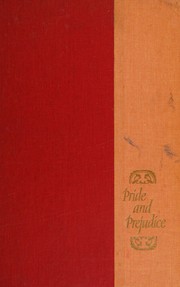

Only manually reviewed, U.S.-rights-gate-passed Gutenberg books that are Search Live can appear here. Riley Locke links to the Gutenberg ebook landing page and does not reproduce the ebook text.