Expect a Romance reading experience shaped by Competition Romance, Enemies to Lovers, and Hidden Identity. It is best approached for its reading feel and fit rather than for advance knowledge of later-book outcomes.
Romance
Powerless
Romance
Reader Match
Build your match
Use Discover to compare this book against a reading profile. Riley Locke will not invent a percentage without comparable evidence.
Open DiscoverNo specific content guidance has been added yet.
Commitment not yet verified
About this book
What it feels like to read.
The desk keeps a file on books that BookTok built, and Powerless sits near the top of it with a crown drawn on it in glitter. Lauren Roberts self-published this novel in 2023, the platform adopted it with the fervour usually reserved for boy bands, and the trilogy it launched became a genuine phenomenon among younger romantasy readers. The desk has read it as what it is: a gateway book, engineered for maximum feeling, and effective at its job in a manner professionals should study rather than sniff at.
The kingdom of Ilya worships ability. Generations ago a plague left some citizens Elite, gifted with powers, and the rest Ordinary — and the Ordinaries have been banished or worse, because kingdoms in these books are rarely run by their best people. Paedyn Gray is Ordinary, alive because her late father trained her to fake it. She reads people fast enough to pass as a Psychic, picks pockets to eat, and stays beneath notice. Then she saves a stranger in an alley who turns out to be Prince Kai Azer, the kingdom's future Enforcer, whose eventual job will be hunting people exactly like her, and through a sequence of events the desk found ruthlessly efficient, she is swept into the Purging Trials — a public competition of Elites, televised in spirit if not in technology, where being discovered means death and the person most likely to discover her keeps standing too close.
The engine is deception-as-intimacy, and Roberts runs it hot. Every scene between Paedyn and Kai carries the doubled current the trope exists for: banter on the surface, arithmetic underneath, two people falling for a person who partly does not exist. The desk notes the craft is early-career — the prose leans on italics, the influences (a certain archery dystopia among them) show their seams — and notes with equal firmness that none of it matters to the book's audience, because the feelings are structural and honestly built.
Honest notices: the ending executes a turn that made the internet briefly unliveable, and the desk will only say that book two exists for reasons. Violence is young-adult vivid; heat is tension-forward and closed-door adjacent.
Who is this for? Younger romantasy readers, Fourth Wing veterans seeking their next tournament, and anyone studying how a phenomenon is assembled. It knows exactly what it is doing. Twice. The trilogy is complete, with novellas orbiting it, and the concluding volume arrived to midnight-release lines that most literary fiction would trade a prize for. Whatever the craft ledger says, that is an audience being fed exactly what it queued for, and the desk respects a kept promise.
Book details
The record behind this book.
Edition, publication, classification, and verified story metadata associated with this record.
Book knowledge
Spoiler-safe context before you commit.
Characters
This section is ready for a reader to improve.
Setting & world
ilya, the purging trials
secondary-world
Tropes & patterns
Romantasy
Enemies to Lovers
Hidden Identity
Competition Romance
Relationships
hidden identity
deception as intimacy
hunter and hunted
Community & circles
Read with people you trust.
Compare reactions, discuss the book, and use private circle activity as social context.
Recommendations
A book to try next.
Recommendations use reviewed Riley Locke book data and reader-maintained connections.
From the public-domain library
A classic to try next.
Recommendations use reviewed Riley Locke book data. Raw ebook text and retailer relationships never affect this ranking.
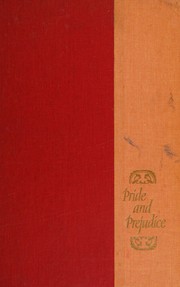

Only manually reviewed, U.S.-rights-gate-passed Gutenberg books that are Search Live can appear here. Riley Locke links to the Gutenberg ebook landing page and does not reproduce the ebook text.