Expect a Romance reading experience shaped by Fake Dating, Long Distance, and Right Person, Wrong Time, with fast pace and moderate complexity. It is best approached for its reading feel and fit rather than for advance knowledge of later-book outcomes.
Romance
November 9
Romance
Reader Match
Build your match
Use Discover to compare this book against a reading profile. Riley Locke will not invent a percentage without comparable evidence.
Open DiscoverNo specific content guidance has been added yet.
fast · 1 pages
About this book
What it feels like to read.
Colleen Hoover's November 9 is a book the desk picks up the way one picks up something ticking, with respect and both hands, because this is where her two signatures, the romance and the rug-pull, share a single wall. It is the desk's pick for her most structurally clever novel, and it cannot be discussed honestly beyond a certain line. We will walk you to the line.
Fallon O'Neill was a working teen actress until the night a house fire ended that life and left her, at sixteen, with scars she now curates her wardrobe around and a father who managed to make the tragedy about his own career. On the day she is due to leave Los Angeles for New York, she meets Ben, an aspiring novelist who inserts himself into her worst lunch with her worst parent and improvises the role of boyfriend so thoroughly that Fallon exits the restaurant having enjoyed her own life for an hour. They spend her last day in the city together. And because he is a writer and she is a deadline, they strike the deal that gives the book its title and its architecture: they will meet every November ninth, one day a year, no contact in between, until five years have passed and both have become the people they claim they intend to be.
The desk admires the machine without reservation. The annual structure forces both characters to arrive changed, so every section is a small reunion with strangers the reader loves, and Hoover plays the year-gaps for suspense, comedy, and increasingly for dread, because a rhythm this tidy in a Hoover novel is a drum someone is going to kick over. Ben is writing a novel about the whole arrangement, the book keeps reminding us, and the desk will say one thing plainly: pay attention to what the book does with authorship, and trust nothing you have not verified.
Honest notices: content warnings for fire, injury, and a parent's emotional cruelty; one mid-series November divides readers on consent-of-information grounds, and the desk flags it without detail. Heat is high early, complicated later.
Who is this for? Readers who finished Verity wanting the trick run tenderer, and anyone who believes a single day can hold a year. Clear your evening. You will not stop at the fourth November. Within the Hoover shelf, the desk shelves it between Ugly Love and Verity — more architecture than the former, more mercy than the latter — and notes that its reveal has survived a decade of the internet largely intact, a discretion the fandom enforces with pride. Join them. The silence is part of the gift.
Book details
The record behind this book.
Edition, publication, classification, and verified story metadata associated with this record.
Book knowledge
Spoiler-safe context before you commit.
Characters
This section is ready for a reader to improve.
Setting & world
contemporary
Tropes & patterns
Long Distance
Right Person, Wrong Time
Fake Dating
Unreliable Instrument
Relationships
This section is ready for a reader to improve.
Community & circles
Read with people you trust.
Compare reactions, discuss the book, and use private circle activity as social context.
Recommendations
A book to try next.
Recommendations use reviewed Riley Locke book data and reader-maintained connections.
From the public-domain library
A classic to try next.
Recommendations use reviewed Riley Locke book data. Raw ebook text and retailer relationships never affect this ranking.
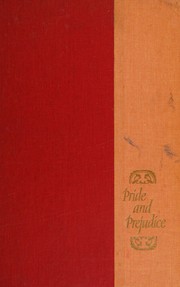

Only manually reviewed, U.S.-rights-gate-passed Gutenberg books that are Search Live can appear here. Riley Locke links to the Gutenberg ebook landing page and does not reproduce the ebook text.