Expect a Romance reading experience shaped by Caretaker Romance, Chronic Illness and Disability, and Tragic Romance. It is best approached for its reading feel and fit rather than for advance knowledge of later-book outcomes.
Romance
Me Before You
Romance
Reader Match
Build your match
Use Discover to compare this book against a reading profile. Riley Locke will not invent a percentage without comparable evidence.
Open DiscoverNo specific content guidance has been added yet.
400 pages
About this book
What it feels like to read.
Some handovers at this desk come with the terms read aloud, and Me Before You receives the reading in full, because no book in the building has been pressed into more hands with less warning. So, the warning, plainly. This is a love story that does not run on the genre's rails, its final movement is nationally famous for a reason, and the desk asks readers to arrive knowing that the book will make an argument they may not accept and will feel regardless. The tissues are not a joke. They are equipment, and the desk keeps a box beside its own copy.
Louisa Clark is twenty-six, chatty, bee-striped-tights eccentric, and profoundly unambitious in the way of people who were once told their dreams were oversized, when the café job that contained her life closes under her. The position she takes for the money is carer and companion to Will Traynor, formerly a man who skied black runs and closed deals across three time zones, now quadriplegic after an accident, furious at the reduced circumference of his life, and entirely uninterested in being cheered. The early chapters run the collision honestly, her relentless brightness against his lacerating wit, and Jojo Moyes lets the hostility do real work before it converts, because what converts it is not sunshine but respect: Lou stops performing cheer and starts paying attention, and Will, against policy, starts asking what she actually wants from her one life, becoming the first person to take the size of her dreams seriously. That question, aimed in both directions, is the whole novel. The desk will say nothing of the calendar the book runs on, or of where the final chapters go, beyond confirming that Moyes plays entirely fair and the debate the book stages is real, contested, and treated with weight.
What the desk admires is the refusal of tidiness. The novel gives voice to positions that argue with its own ending, keeps Will a full person rather than a lesson, and lets Lou's transformation be the book's genuine gift while declining to pretend it settles the question raised. Readers finish it arguing, which the desk considers the design working.
Honest notices, stated at eye level: content guidance for disability, depression, and end-of-life themes is essential, and disabled readers and reviewers have contested the book's framing in serious, worthwhile criticism the desk encourages readers to seek out alongside it. The register is warm, funny, and then devastating, in that order.
Who is this for? Readers ready for one more expedition past the guarantee, book clubs prepared to disagree in the good way, and everyone who owns a pair of ridiculous tights. Read the terms. Then live boldly, which is rather the point.
Book details
The record behind this book.
Edition, publication, classification, and verified story metadata associated with this record.
Book knowledge
Spoiler-safe context before you commit.
Characters
This section is ready for a reader to improve.
Setting & world
contemporary
Tropes & patterns
Tragic Romance
Chronic Illness and Disability
Caretaker Romance
Relationships
employer-employee, caregiver
Community & circles
Read with people you trust.
Compare reactions, discuss the book, and use private circle activity as social context.
Recommendations
A book to try next.
Recommendations use reviewed Riley Locke book data and reader-maintained connections.
From the public-domain library
A classic to try next.
Recommendations use reviewed Riley Locke book data. Raw ebook text and retailer relationships never affect this ranking.
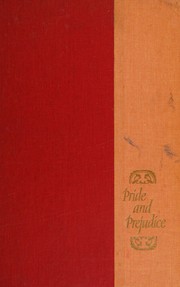

Only manually reviewed, U.S.-rights-gate-passed Gutenberg books that are Search Live can appear here. Riley Locke links to the Gutenberg ebook landing page and does not reproduce the ebook text.