The reading feel has not been added yet.
Romance
Kingdom of the Wicked
Romance
Reader Match
Build your match
Use Discover to compare this book against a reading profile. Riley Locke will not invent a percentage without comparable evidence.
Open DiscoverNo specific content guidance has been added yet.
Commitment not yet verified
About this book
What it feels like to read.
Grief with knives gets its own shelf at this desk, and Kingdom of the Wicked opens on it. Kerri Maniscalco's romantasy begins not with a meet-cute but with a murder: Emilia di Carlo, a young witch hiding in plain sight in eighteenth-century Sicily, finds her twin sister Vittoria dead in a way the desk will not describe and the book does not soften. Everything that follows, the demons, the bargains, the slow-burning prince of Hell, runs on that engine, and the book never lets the reader forget it. This is a romance where the heroine's first love language is vengeance, and the desk respects a story that keeps its priorities visible.
Emilia's grief takes the practical Sicilian form. She does something extremely inadvisable with the family grimoire. The summoning that results delivers Wrath, one of the seven princes of Hell, contractually entangled and visibly unimpressed, and the pair strike the genre's oldest deal, cooperation between parties who intend to betray each other the moment it stops being useful. The investigation that follows moves through witch lore, holy institutions with unholy interiors, and a Sicily rendered in food, superstition, and candlelight; Maniscalco writes the island as a character, all arancini and iron charms, and the desk left every kitchen scene hungry. Wrath, meanwhile, conducts himself according to the finest traditions of his office: infuriating, immaculate, and given to appearing behind the heroine at maximum inconvenience.
What the desk admires is the restraint. The romance burns slowly because Emilia's heart is otherwise engaged, sister first, and the book honours that ordering; the desire that builds does so against her judgement and his job description, which is the correct direction for this trope to run. The mythology assembles quietly underneath, and the final chapters open a door the desk will describe only by its temperature.
Honest notices: this is a series commitment, four books, and the first ends on a genuine threshold; the heat stays low here and climbs later in the series. Content notes for grief, violence, and religious themes handled darkly.
Who is this for? Readers who want their romantasy Mediterranean and mourning-driven, Hades-and-Persephone loyalists ready for a Catholic remix, and anyone whose favourite love interests hold titles in the underworld. Pack an appetite. The desk means for the food. The quartet is complete, so the threshold this volume ends on opens promptly rather than cruelly, and Maniscalco has since extended the universe into an adult spin-off about a different prince — evidence, the desk notes, that Hell's org chart was always the series' best asset. Seven princes hold seven job titles, and the paperwork writes itself.
Book details
The record behind this book.
Edition, publication, classification, and verified story metadata associated with this record.
Book knowledge
Spoiler-safe context before you commit.
Characters
This section is ready for a reader to improve.
Setting & world
sicily
eighteenth century
historical
Tropes & patterns
Witch Romance
Angels and Demons
Romantasy
The Bargain
Relationships
enemies to lovers, bargain, slow burn
Community & circles
Read with people you trust.
Compare reactions, discuss the book, and use private circle activity as social context.
Recommendations
A book to try next.
Recommendations use reviewed Riley Locke book data and reader-maintained connections.
From the public-domain library
A classic to try next.
Recommendations use reviewed Riley Locke book data. Raw ebook text and retailer relationships never affect this ranking.
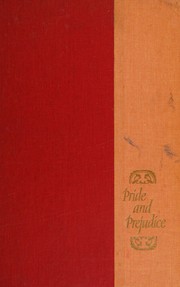

Only manually reviewed, U.S.-rights-gate-passed Gutenberg books that are Search Live can appear here. Riley Locke links to the Gutenberg ebook landing page and does not reproduce the ebook text.