Expect a Romance reading experience shaped by Angels and Demons, Fair Play, and Grief and Recovery. It is best approached for its reading feel and fit rather than for advance knowledge of later-book outcomes.
Romance
House of Earth and Blood
Romance
Reader Match
Build your match
Use Discover to compare this book against a reading profile. Riley Locke will not invent a percentage without comparable evidence.
Open DiscoverNo specific content guidance has been added yet.
805 pages
About this book
What it feels like to read.
The desk shelves House of Earth and Blood as the book where Sarah J. Maas grew up on purpose. Her first adult novel trades faerie courts for Crescent City, a metropolis of angels, shifters, Fae, and smartphones, where magic coexists with nightclubs, voicemail, and crushing rent. And then it opens with a loss so central that the marketing printed it: Bryce Quinlan's best friend Danika and her entire wolf pack are murdered in the book's opening movement, and Bryce finds them. Two years later, hollowed and functioning, she is pulled into the investigation when the killings resume. That is the premise, stated to the boundary and no further.
Assigned to watch her is Hunt Athalar, a fallen angel enslaved by the Republic, his freedom priced in assassinations and his reputation grim enough that parents use him to frighten children. The partnership that forms — party girl with a sealed past, thunderbird with a mortgage on his soul — runs the enemies-to-allies-to-more current with Maas's usual voltage, but the desk wants to name what actually powers the book: grief. This is an eight-hundred-page novel about surviving the person you did not get to keep, wearing an urban-fantasy procedural as armour, and its most devastating passages have nothing to do with romance. Danika, dead before page fifty, is somehow its most vivid character. The desk finished the final chapters embarrassingly compromised, in public, and regrets nothing.
The city itself earns billing. Maas builds Crescent City with the density of a lived place — hierarchies, hauntings, a river with opinions — and the mystery plot, unusually for the genre, plays fair. The clues are placed, the resolution is earned, and rereaders report the seeding with awe. We confirm the reports. The less said about where it all goes, the better; the final act contains a sequence readers describe with a phrase we will not print, because it belongs to the people who reach it.
Honest notices: the opening two hundred pages ask for patience while the world instals itself; the desk's advice is to let them. Content notes for substance use, grief, and violence. Heat is adult and arrives late.
Who is this for? ACOTAR readers ready for smartphones and mortality, urban-fantasy readers curious about all the fuss, and anyone carrying a loss around. It understands. Bring tissues and clear your weekend. The series runs three volumes at time of writing, each the size of a healthy toddler, and late in the run it does something with the wider Maasverse that sent the fandom into scaffolding-grade theorising. No details. Simply know the doors between her worlds are not as closed as they appear.
Book details
The record behind this book.
Edition, publication, classification, and verified story metadata associated with this record.
Book knowledge
Spoiler-safe context before you commit.
Characters
This section is ready for a reader to improve.
Setting & world
crescent city
two years after the murders
urban-fantasy
Tropes & patterns
Romantasy
Angels and Demons
Grief and Recovery
Fair Play
Relationships
enemies to allies to more
grief-driven investigation
Community & circles
Read with people you trust.
Compare reactions, discuss the book, and use private circle activity as social context.
Recommendations
A book to try next.
Recommendations use reviewed Riley Locke book data and reader-maintained connections.
From the public-domain library
A classic to try next.
Recommendations use reviewed Riley Locke book data. Raw ebook text and retailer relationships never affect this ranking.
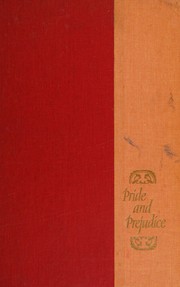

Only manually reviewed, U.S.-rights-gate-passed Gutenberg books that are Search Live can appear here. Riley Locke links to the Gutenberg ebook landing page and does not reproduce the ebook text.