Expect a Romance reading experience shaped by Reunion Romance, with moderate pace and moderate complexity. It is best approached for its reading feel and fit rather than for advance knowledge of later-book outcomes.
Romance
Happy Place
Romance
Reader Match
Build your match
Use Discover to compare this book against a reading profile. Riley Locke will not invent a percentage without comparable evidence.
Open DiscoverNo specific content guidance has been added yet.
moderate · 400 pages
About this book
What it feels like to read.
The desk considers Happy Place the riskiest book Emily Henry has written, and we mean that as the compliment it is. Her other novels ask whether two people will get together; this one asks something harder and less comfortable (whether two people who were right for each other can survive what their lives did to them) and it conducts the inquiry undercover, at a party, with everyone watching.
The premise is a beautiful trap. Harriet and Wyn were the couple, the pair their tight-knit university friend group organised itself around, and they broke up months ago without telling a soul. Now the group's annual week at the Maine cottage has arrived, the cottage itself is being sold, this gathering is the last of its kind, and announcing the split would detonate the week for people they love. So they perform. One bed, one shared history, one carefully maintained fiction — a fake relationship conducted between two people who were recently, painfully real. Henry has effectively run the fake-dating trope in reverse, and the desk finds the inversion quietly brilliant: every touch is both an act for the audience and a live wire for the participants.
What we admire most is the dual timeline. The book alternates the excruciating present with the story of how Harriet and Wyn happened — and Henry paces the two tracks so that the reader falls for the relationship at exactly the rate the present-day chapters complicate it. Why they ended is the book's held breath, and we will keep it held; we will say the answer is more honest than the genre risks, implicating no villain, only the slow pressures of ambition, expectation, and the versions of ourselves we perform for the people we love. Because that is the true subject here: Harriet has been agreeable her whole life, and the book is about what that costs.
The friend group deserves its own notice — Sabrina, Cleo, Parth and the rest are drawn well enough that the elegy for the group's era lands almost as hard as the romance, and the Maine setting (lobster rolls, cold swims, one memorable trip into town) does its golden-hour work.
Honest notices: this is Henry's saddest book for long stretches, and readers wanting the pure fizz of Beach Read should calibrate. The miscommunication load is heavier than usual (deliberately, we would argue, since performance is the theme) but readers allergic to it should know. Spice is present and tender.
Who is this for? Anyone who has ever kept a brave face through a group holiday. Fifth in our Emily Henry ranking, and yet the one the desk thinks about most often — which tells you something about what rankings can and cannot measure.
Book details
The record behind this book.
Edition, publication, classification, and verified story metadata associated with this record.
Book knowledge
Spoiler-safe context before you commit.
Characters
This section is ready for a reader to improve.
Setting & world
This section is ready for a reader to improve.
Tropes & patterns
Reunion Romance
Relationships
This section is ready for a reader to improve.
Community & circles
Read with people you trust.
Compare reactions, discuss the book, and use private circle activity as social context.
Recommendations
A book to try next.
Recommendations use reviewed Riley Locke book data and reader-maintained connections.
From the public-domain library
A classic to try next.
Recommendations use reviewed Riley Locke book data. Raw ebook text and retailer relationships never affect this ranking.
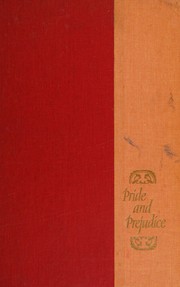

Only manually reviewed, U.S.-rights-gate-passed Gutenberg books that are Search Live can appear here. Riley Locke links to the Gutenberg ebook landing page and does not reproduce the ebook text.