The reading feel has not been added yet.
Romance
Divine Rivals
Romance
Reader Match
Build your match
Use Discover to compare this book against a reading profile. Riley Locke will not invent a percentage without comparable evidence.
Open DiscoverNo specific content guidance has been added yet.
321 pages
About this book
What it feels like to read.
Now and then the desk meets a book that a whole subgenre's marketing has slightly mis-sold, and Divine Rivals is our favourite example: shelved with romantasy's dragons and death tournaments, it is in truth a quiet, aching wartime novel about letters — closer in spirit to the great correspondence romances than to anything with a blood oath in it. We say this not as a warning but as the recommendation itself. It is the gentlest book on our romantasy list and, for a striking number of readers, the one that lingers longest.
Iris Winnow is eighteen, poor, and holding her family together with a typewriter: her brother Forest has gone to fight in a war between waking gods, her mother is going under at home, and Iris's one path forward is the columnist position at the Oath Gazette — a job she is competing for against Roman Kitt, infuriatingly talented, expensively educated, and in her considered opinion insufferable. The office rivalry is genuine and beautifully barbed. But the book's true engine sits in Iris's wardrobe: when she types letters to her vanished brother and slips them under the door, they go somewhere — and someone begins, cautiously, to answer. Who holds the other typewriter is a dramatic irony the reader is permitted long before Iris is, and Rebecca Ross plays that gap the way great correspondence stories always have. Every anonymous confession on the page is a secret the reader carries into every hostile office exchange. The desk considers it the single best deployment of dramatic irony in recent romance.
Then the war arrives, and the book earns its spine. Iris goes towards the front as a correspondent, and Ross writes the reporting chapters with an unglamoured steadiness (mud, shell-song, the arithmetic of casualty lists) that gives the love story its stakes honestly rather than borrowing them. The gods' conflict stays deliberately at the periphery; this is a book about the people underneath a war, which is why it wounds.
Honest notices. Readers wanting romantasy's usual furniture (hard magic, high spice) should recalibrate; the heat here is a held hand and a signed name. The prose leans lyrical. And the ending is a genuine cliffhanger. Have the sequel within reach, on the desk's firm advice.
Who is this for? Anyone who has ever written the letter they could not send. It appears on three of our lists, and earns each seat differently. As romantasy's gentlest door, as enemies-to-lovers' most devastating slow reveal, and as proof that a war story and a love story are, at the right altitude, the same story told twice.
Book details
The record behind this book.
Edition, publication, classification, and verified story metadata associated with this record.
Book knowledge
Spoiler-safe context before you commit.
Characters
This section is ready for a reader to improve.
Setting & world
secondary-world
Tropes & patterns
Rivals to Lovers
Romantasy
Enemies to Lovers
Relationships
This section is ready for a reader to improve.
Community & circles
Read with people you trust.
Compare reactions, discuss the book, and use private circle activity as social context.
Recommendations
A book to try next.
Recommendations use reviewed Riley Locke book data and reader-maintained connections.
From the public-domain library
A classic to try next.
Recommendations use reviewed Riley Locke book data. Raw ebook text and retailer relationships never affect this ranking.
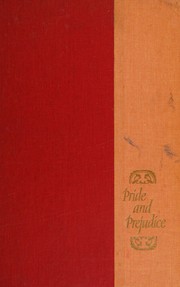

Only manually reviewed, U.S.-rights-gate-passed Gutenberg books that are Search Live can appear here. Riley Locke links to the Gutenberg ebook landing page and does not reproduce the ebook text.