Expect a Romance reading experience shaped by Competition Romance, Dark Romance, and Hitman and Assassin. It is best approached for its reading feel and fit rather than for advance knowledge of later-book outcomes.
Romance
Butcher & Blackbird
Romance
Reader Match
Build your match
Use Discover to compare this book against a reading profile. Riley Locke will not invent a percentage without comparable evidence.
Open DiscoverNo specific content guidance has been added yet.
351 pages
About this book
What it feels like to read.
Every catalogue needs one book it recommends while maintaining eye contact, and Butcher & Blackbird is ours. Brynne Weaver's dark romantic comedy concerns two serial killers who fall in love, and the desk wishes to be understood: not a thriller with romantic elements, not a brooding antihero drama, but a genuine screwball romance in which both parties happen to murder people, played for laughs that keep landing when by rights they should not. It became a BookTok phenomenon on the strength of that impossible tone, and the tone is real, and it is sustained for four hundred pages, and the desk still cannot entirely explain how.
The premise arrives assembled. Rowan Kane, Boston chef, and Sloane Sutherland — the desk will say contract specialist — meet over a shared discovery in a very bad man's house, recognise each other's hobby, and instead of doing anything sensible, invent a game. Once a year, a competition, worst monster wins bragging rights. The annual structure gives the book its rhythm, years of escalating contests, taunting texts, and two professionals conspicuously not discussing why they keep flying across the country for each other, while the reader watches the genre's slowest-moving obvious conclusion approach like weather. Their targets, the book is careful to establish, are people the reader is invited to feel no grief about; Weaver keeps the moral ledger stylised, cartoon-dark, closer to a Coen brothers premise than to anything resembling true crime.
What the desk admires is the discipline under the chaos. The comedy is genuine, gruesome slapstick and all, but the romance underneath runs on real material: two people convinced they are unlovable at the factual level, discovering a witness who has seen the whole inventory and stayed. When the banter drops, it drops all the way, and those chapters are why the book outlived its own virality.
Honest notices, and these are load-rated: graphic violence and gore played partly for comedy, explicit heat with knife-adjacent adrenaline, and content guidance worth reading in full. This is the deep end and the sign says so.
Who is this for? Readers whose humour runs pitch-black, romance fans curious what the fuss was, and anyone who wants devotion written as two monsters comparing scars. Verify your own limits first. Then enjoy the honeymoon. The Ruinous Love trilogy continues with the supporting cast, each volume pairing new monsters at the same impossible temperature, and the illustrated special editions have become collector bait — the desk's copy is the plain one, annotated in the margins with the word no followed, several pages later, by fine.
Book details
The record behind this book.
Edition, publication, classification, and verified story metadata associated with this record.
Book knowledge
Spoiler-safe context before you commit.
Characters
This section is ready for a reader to improve.
Setting & world
boston
contemporary
Tropes & patterns
Dark Romance
Hitman and Assassin
Competition Romance
Relationships
rivals, annual competition, slow burn
Community & circles
Read with people you trust.
Compare reactions, discuss the book, and use private circle activity as social context.
Recommendations
A book to try next.
Recommendations use reviewed Riley Locke book data and reader-maintained connections.
From the public-domain library
A classic to try next.
Recommendations use reviewed Riley Locke book data. Raw ebook text and retailer relationships never affect this ranking.
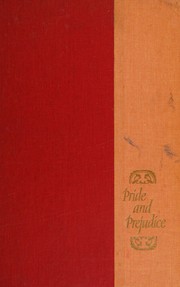

Only manually reviewed, U.S.-rights-gate-passed Gutenberg books that are Search Live can appear here. Riley Locke links to the Gutenberg ebook landing page and does not reproduce the ebook text.