Expect a Romance reading experience shaped by Arranged Marriage, Shifter Romance, and Vampire Romance, with moderate pace and moderate complexity. It is best approached for its reading feel and fit rather than for advance knowledge of later-book outcomes.
Romance
Bride
Romance
Reader Match
Build your match
Use Discover to compare this book against a reading profile. Riley Locke will not invent a percentage without comparable evidence.
Open DiscoverNo specific content guidance has been added yet.
moderate · 403 pages
About this book
What it feels like to read.
The desk did not expect the author of contemporary STEM romance's defining novels to write a vampire-werewolf political marriage, and we suspect Ali Hazelwood enjoyed that surprise as much as we did. Bride is her signature machinery (a heroine with a hidden agenda, a husband with unreadable motives, banter as reconnaissance) transplanted into paranormal soil, and the transplant takes, root and all; the book became many readers' favourite thing she has written. The desk understands the vote.
Misery Lark is a Vampyre and a professional bargaining chip: a councilman's daughter raised among humans as a treaty hostage, collected home only when politics required, and now traded again — this time into marriage with Lowe Moreland, Alpha of the Werewolf pack that Vampyres are raised to fear on principle. The arrangement is pure statecraft, one year of cohabitation to stabilise a fragile peace, and Misery accepts it with suspicious readiness — because she has reasons of her own for wanting inside Werewolf territory, reasons the book discloses early and we will not. What follows is the marriage-of-convenience trope at its most literal and most charged: separate wings, watchful in-laws, a husband who is courteous, distant, and, Misery slowly notices, always, always aware of exactly where she is in a room.
What we admire most is that the paranormal furniture does real thematic work. Hazelwood uses species the way her earlier books used academia: as a system that decides who belongs, who is believed, and what a woman is for. Misery has spent her whole life as nobody's (too Vampyre for humans, too human-raised for Vampyres) and the book's slow revelation that she might be someone's first choice, categorically and without appeal, lands with a force the trope rarely achieves. Lowe's particular register of devotion, deadpan and total, gives grumpy/sunshine a grump the fandom quotes on sight. And Ana, his small sister, walks off with every scene she enters.
Honest notices. The mystery plot resolves briskly and serves the romance rather than rivalling it — this is a relationship book wearing a thriller's jacket. The spice is high, late, and very much discussed for a reason. Werewolf-romance conventions are honoured with a knowing wink; newcomers need no prior fluency.
Who is this for? Hazelwood readers curious how far the voice travels, the answer is fully, and paranormal readers who want their fated-feeling romance argued for rather than asserted. It sits on two of our lists and anchors both — and if it is your first Hazelwood, know that the contemporary novels behind it carry the same voice in laboratory lighting; the desk's introductions to those await you.
Book details
The record behind this book.
Edition, publication, classification, and verified story metadata associated with this record.
Book knowledge
Spoiler-safe context before you commit.
Characters
This section is ready for a reader to improve.
Setting & world
This section is ready for a reader to improve.
Tropes & patterns
Shifter Romance
Vampire Romance
Arranged Marriage
Relationships
This section is ready for a reader to improve.
Community & circles
Read with people you trust.
Compare reactions, discuss the book, and use private circle activity as social context.
Recommendations
A book to try next.
Recommendations use reviewed Riley Locke book data and reader-maintained connections.
From the public-domain library
A classic to try next.
Recommendations use reviewed Riley Locke book data. Raw ebook text and retailer relationships never affect this ranking.
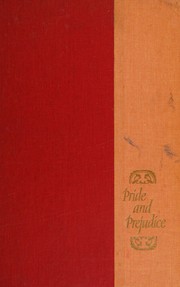

Only manually reviewed, U.S.-rights-gate-passed Gutenberg books that are Search Live can appear here. Riley Locke links to the Gutenberg ebook landing page and does not reproduce the ebook text.