Expect a Romance reading experience shaped by Bookish Romance, Neighbours to Lovers, and Slow Burn, with slow pace and accessible complexity. It is best approached for its reading feel and fit rather than for advance knowledge of later-book outcomes.
Romance
Beach Read
Romance
Reader Match
Build your match
Use Discover to compare this book against a reading profile. Riley Locke will not invent a percentage without comparable evidence.
Open DiscoverNo specific content guidance has been added yet.
slow · 384 pages
About this book
What it feels like to read.
We hand Beach Read to two kinds of readers, and it has never failed either of them. The first is the romance reader who wants Emily Henry's empire explained. The second, and this is the assignment we relish, is the literary-fiction reader who says, politely, that romance is not really about anything. This book was built for that exact conversation. It is a romance novel about whether romance novels tell the truth, and it argues its case so well that we have watched sceptics finish it and quietly order the backlist.
The premise is a perfect trap. January Andrews writes happy endings and has stopped believing in them; Augustus Everett writes acclaimed literary misery and is beginning to suspect it is a pose. Stranded in neighbouring lake houses for a summer, they swap genres (she will attempt Serious Fiction, he will attempt a love story) and the bet becomes the book's engine and its thesis at once. Henry is asking, in earnest, what each kind of story is for: whether hope is naive or a discipline, whether darkness is honesty or fashion. That a mainstream beach paperback carries this argument, lightly, while also being extremely funny, is the trick that made her career.
And it is funny — that must be said before the next part. Henry writes banter with actual weight behind it, dialogue where the jokes are doing character work, and January's narration crackles even when her life is falling down around her. Because it is falling: the book opens in the wreckage of a grief we will not detail, and what lifts Beach Read above its premise is how seriously it takes the slow, unglamorous business of rebuilding a self. This is Henry's signature move, executed here for the first time, the comedy with grief in the basement, and it has never been sharper than in its debut outing.
Honest notices: the middle stretch idles, as summers do, and readers wanting relentless plot should know this book prefers to sit on the porch and talk. We consider that a feature. The romance itself is a slow burn with real conversations in it, the rarest luxury in the genre, and when it pays off, it pays in full.
Who is this for? Beach Read is third on our Start Here list because it is the proof of concept. The book you hand to anyone who suspects a love story cannot also be about grief, ambition, craft, and the ethics of hope. It can. This one is. The desk's position, stated for the record. This is the novel that made the current romance boom respectable to people who needed permission — and the rest of us were already having a wonderful time.
Book details
The record behind this book.
Edition, publication, classification, and verified story metadata associated with this record.
Book knowledge
Spoiler-safe context before you commit.
Characters
This section is ready for a reader to improve.
Setting & world
contemporary
Tropes & patterns
Third Act Breakup
Neighbours to Lovers
Bookish Romance
Slow Burn
The Proof
Relationships
This section is ready for a reader to improve.
Community & circles
Read with people you trust.
Compare reactions, discuss the book, and use private circle activity as social context.
Recommendations
A book to try next.
Recommendations use reviewed Riley Locke book data and reader-maintained connections.
From the public-domain library
A classic to try next.
Recommendations use reviewed Riley Locke book data. Raw ebook text and retailer relationships never affect this ranking.

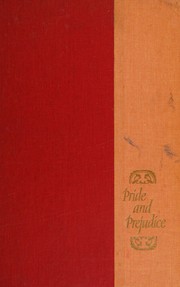
Only manually reviewed, U.S.-rights-gate-passed Gutenberg books that are Search Live can appear here. Riley Locke links to the Gutenberg ebook landing page and does not reproduce the ebook text.