Expect a Romance reading experience shaped by Forced Proximity, Grumpy Sunshine, and Neurodivergent Leads. It is best approached for its reading feel and fit rather than for advance knowledge of later-book outcomes.
Romance
Act Your Age, Eve Brown
Romance
Reader Match
Build your match
Use Discover to compare this book against a reading profile. Riley Locke will not invent a percentage without comparable evidence.
Open DiscoverNo specific content guidance has been added yet.
320 pages
About this book
What it feels like to read.
The Brown sisters saved their chaos agent for last, and Act Your Age, Eve Brown is Talia Hibbert closing her trilogy with its boldest and warmest experiment: a grumpy-sunshine romance in which both leads are autistic — one diagnosed and fortressed, one undiagnosed and freewheeling — and the trope's entire friction turns out to be two different operating systems for the same architecture. The desk rates it the series' best book and one of the finest neurodivergent romances in the modern catalogue, and will defend both rankings at volume.
Eve Brown is the youngest sister, the flighty one by family consensus, a serial abandoner of careers whose real gifts keep misfiring in rooms built for other people. Fleeing her latest implosion, she drives to the Lake District, interviews terribly for a chef's job at a bed and breakfast, and then, in the accident the fandom cherishes, hits the proprietor with her car. Gently. Jacob Wayne, the proprietor, is autistic, diagnosed, and has built his B&B as a controlled environment where the world finally runs on comprehensible rules; a broken arm and a staffing crisis force him to hire the human hurricane who caused both. The forced proximity that follows is the trope at its purest, but Hibbert's real business is the slow mutual recognition: Jacob clocking that Eve's chaos is unsupported wiring rather than carelessness, Eve discovering that the rigidity she resents in him is the scaffolding she has been improvising her whole life without.
What the desk admires most is the diagnosis-as-love-story structure. Eve's realisation about herself arrives through Jacob's company rather than a clinical scene, written with a tenderness that has sent a great many readers towards their own overdue questions, and the book treats both presentations — his systems, her sensory joy — as textures of personhood rather than obstacles. The heat is high and negotiated with the series' trademark explicitness about consent, which reads here as native language rather than compliance.
Honest notices: the car incident requires a comic-contract handshake; the B&B logistics are decorative. Content notes cover past parental dismissiveness and anxiety. Do not skip the gingerbread.
Who is this for? Neurodivergent readers and everyone who loves one, grumpy-sunshine completists, and every family's designated flake who was measuring with someone else's ruler. Check in. The desk left a five-star review, mentioned the gingerbread specifically, and booked a return visit. The trilogy closes here at its strongest, and readers who arrive via this volume should still circle back for the sisters. The Browns are a complete set. Collect them accordingly.
Book details
The record behind this book.
Edition, publication, classification, and verified story metadata associated with this record.
Book knowledge
Spoiler-safe context before you commit.
Characters
This section is ready for a reader to improve.
Setting & world
lake district
bed and breakfast
contemporary
Tropes & patterns
Neurodivergent Leads
Forced Proximity
Grumpy Sunshine
Relationships
grumpy-sunshine, forced proximity, employer-employee
Community & circles
Read with people you trust.
Compare reactions, discuss the book, and use private circle activity as social context.
Recommendations
A book to try next.
Recommendations use reviewed Riley Locke book data and reader-maintained connections.
From the public-domain library
A classic to try next.
Recommendations use reviewed Riley Locke book data. Raw ebook text and retailer relationships never affect this ranking.
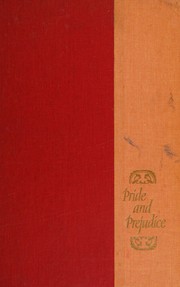

Only manually reviewed, U.S.-rights-gate-passed Gutenberg books that are Search Live can appear here. Riley Locke links to the Gutenberg ebook landing page and does not reproduce the ebook text.